August 3, 2026
Roofing represents a significant architectural decision when building or renovating a home. Selecting the appropriate material affects both visual appeal and long-term protective performance. Among available options, metal panels and traditional asphalt shingles remain top choices across North America. Choosing between these distinct solutions depends on balancing immediate budget constraints, regional climate demands, aesthetic preferences, and personal expectations regarding material longevity.
Working with a professional roofing contractor helps property owners navigate these choices and determine which system best fits their requirements. While asphalt shingles offer an accessible upfront investment and classic styling, metal roofs deliver exceptional durability, energy efficiency, and extended service life.
Evaluate Financial Costs and Long-Term Value
Initial investment costs represent a primary decision factor for budget-conscious homeowners choosing between asphalt and metal systems. Asphalt shingles remain an affordable option, requiring a lower upfront financial commitment that appeals to standard budgets. In contrast, metal materials demand a larger initial outlay due to higher material production costs and specialized labor requirements. Consulting an experienced roofing contractor allows homeowners to receive clear estimates tailored to local labor rates and specific property dimensions, helping clarify immediate price differences.
Beyond initial expenses, long-term financial evaluation reveals a different economic picture over time. Asphalt shingles require more frequent maintenance, routine inspections, and periodic replacements as shingles age under daily atmospheric exposure. Metal systems boast extended lifespans that drastically reduce replacement frequency and lower overall life-cycle costs. Financing solutions and home improvement loans can ease the upfront purchase of metal panels, while long-term value analyses show that higher initial investments can boost property values and lower lifetime repair expenses.
Compare Overall Durability and Weather Resistance
Durability stands as a defining distinction between metal panels and standard asphalt shingle systems. Metal roofs offer legendary resilience against extreme atmospheric conditions, resisting high wind gusts, heavy downpours, severe hail impacts, and fire risks without experiencing structural degradation. According to WifiTalents shows that 31% of roofs in the Western US are metal, illustrating a strong regional preference for robust materials capable of withstanding severe weather and wildfire threats. A skilled roofing contractor can assess regional climate patterns to recommend the most protective material for your specific area.
Asphalt shingles provide reliable protection against mild atmospheric conditions, but severe storms and prolonged exposure to intense sunlight can compromise shingle integrity over time. UV degradation causes asphalt granules to loosen, leading to potential leaks and required repairs. Premium shingle lines include specialized protective coatings, yet their average operational life remains significantly shorter than metal alternatives. Likewise, manufacturer warranties reflect these material differences, as metal components carry extensive multi-decade guarantees covering material integrity, while shingle warranties reflect shorter life expectations and potential environmental wear.
Enhance Visual Aesthetics and Architectural Style
Architectural styling heavily dictates which roofing product best complements a home's overall design language. Modern metal panels deliver crisp lines, sleek profiles, and versatile finishes that fit contemporary, industrial, and minimalist house designs. Metal products can also be manufactured to imitate traditional slate, tile, or wood shake styles, giving property owners remarkable flexibility. Engaging a knowledgeable roofing contractor enables homeowners to preview how various panel styles or shingle designs harmonize with existing siding, exterior trim, and surrounding neighborhood aesthetics.
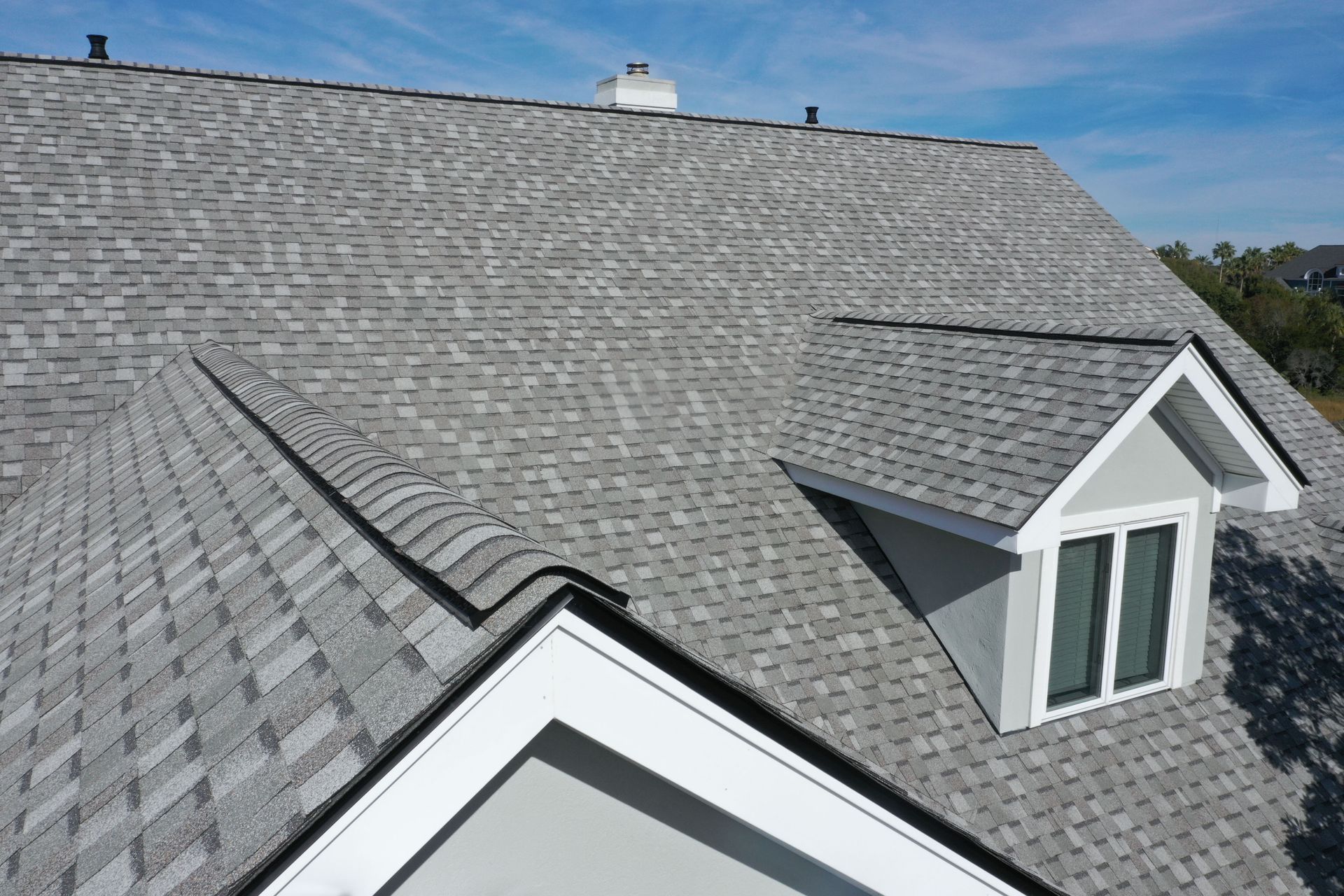
Asphalt shingles excel on traditional, colonial, Victorian, or cottage-style homes, providing classic warmth and familiar texture. While asphalt color selections focus primarily on conventional earth tones and neutral shades, metal options span a broad spectrum of custom colors and reflective finishes. Choosing the right material enhances overall curb appeal and home resale value. Proper stylistic integration ensures that your selected surface respects architectural tradition or modern aesthetic ambitions while creating a cohesive visual impression across the entire property exterior.
Weigh Environmental Footprints and Energy Savings
Environmental impact represents an increasingly critical consideration for eco-conscious homeowners evaluating material options. Metal roofs provide exceptional energy efficiency due to reflective surface properties that bounce solar radiation away from the structure, significantly reducing interior cooling demands during warm summer months. Asphalt shingles naturally absorb and retain solar heat, which can elevate indoor temperatures and increase air conditioning energy consumption. Homeowners aiming to reduce household carbon footprints can consult a licensed roofing contractor to explore reflective metal options engineered to optimize residential thermal efficiency.
Resource sustainability and waste reduction further distinguish these two popular materials. Metal components consist of high proportions of recycled content and are entirely recyclable when retired, preventing waste from entering municipal landfills. Asphalt shingles rely on petroleum-based manufacturing and contribute substantially to construction landfill accumulation, despite growing regional shingle recycling efforts. Along with waste reduction, metal structures seamlessly support solar panel integration without requiring heavy roof penetrations, making them a preferred choice for achieving green building certifications and long-term sustainable living goals.
Navigate Professional Installation and Structural Needs
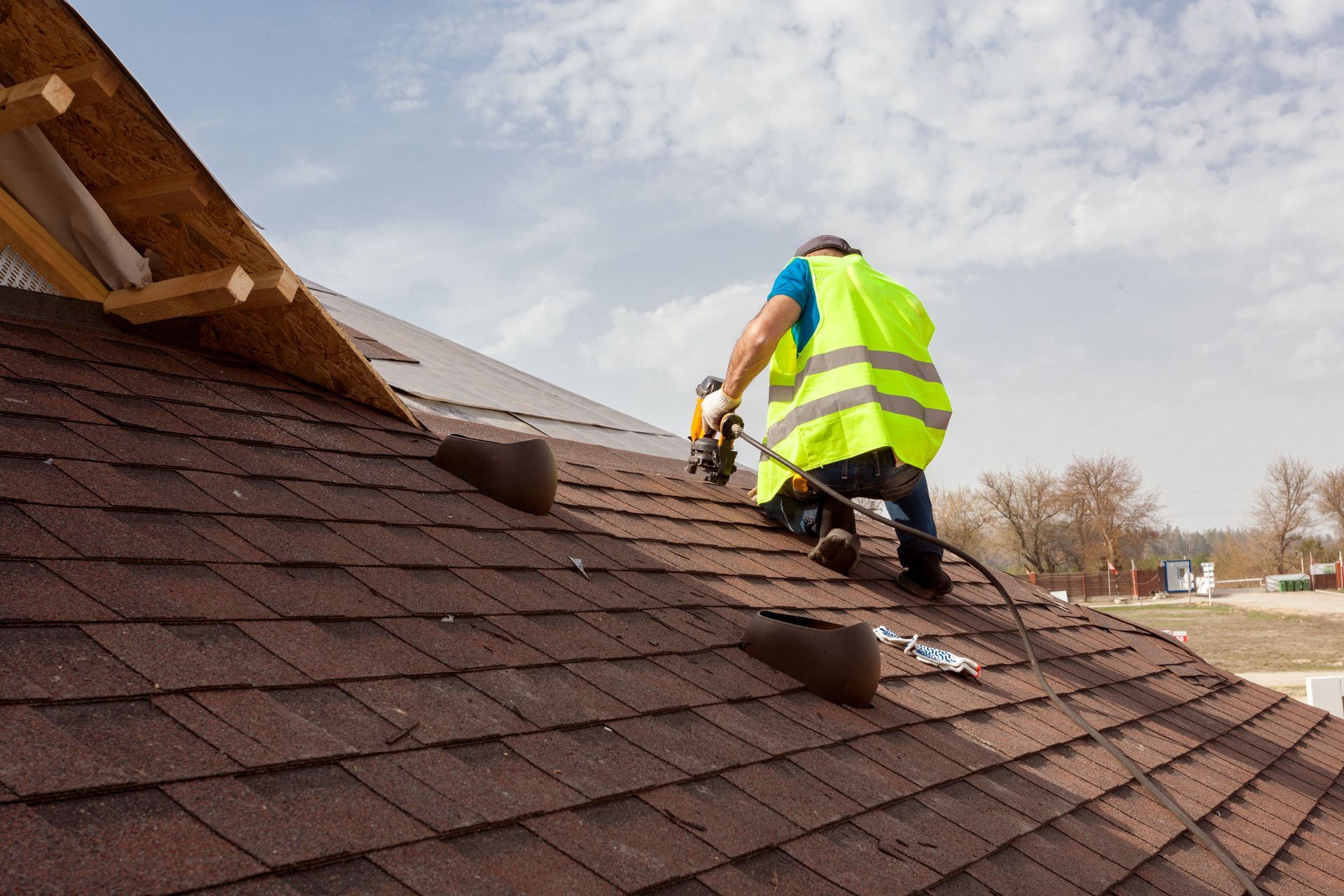
Installation complexity varies considerably between metal and asphalt systems, influencing project timelines and labor demands. Installing metal panels requires specialized craftsmanship, exact measurements, and custom fitting techniques to guarantee watertight seams and proper thermal expansion capability. Standard asphalt shingles feature a straightforward, forgiving installation procedure that crews can complete rapidly. However, attempting DIY installation on either material risks voiding manufacturer warranties and creating costly structural leaks, making professional execution essential for guaranteed performance.
Hiring a certified roofing contractor guarantees that essential structural requirements and seasonal conditions are fully addressed. Metal systems are lightweight, often reducing stress on home framing without needing additional structural supports. Asphalt shingles add significant weight to the roof deck, which may require structural reinforcement on aging properties before application. Expert installation crews also understand seasonal weather constraints, applying appropriate sealants and underlayments correctly regardless of ambient temperatures to ensure lasting structural protection.
Examine Regional Climate Suitability and Performance
Regional weather trends play a decisive role in determining overall material performance and long-term reliability. Metal systems excel in damp, high-humidity, or heavy snow environments, resisting organic growth such as algae, moss, and mildew that frequently damages asphalt surfaces. In cold climates, metal sheds heavy snow loads efficiently, protecting structural framing from weight-related stress. Asking a trustworthy roofing contractor about local microclimates ensures your choice accounts for regional humidity levels, wind exposure, fire danger, and temperature shifts over coming decades.
Acoustic management and extreme weather defense also factor into climate performance. While metal roofs earned a historic reputation for rain noise, modern underlayments and solid roof decking absorb sound effectively, matching the quiet performance of dense asphalt shingles. Metal roofs also deliver superior wind resistance and impact defense against hail, maintaining structural integrity through violent storm systems. As global weather patterns become increasingly unpredictable, resilient roofing materials offer superior adaptability to changing climatic conditions, ensuring your home stays protected year after year.
Selecting between metal and asphalt roofing comes down to your financial plan, aesthetic priorities, and long-term homeownership goals. Asphalt shingles deliver an accessible, attractive, and classic roofing option suitable for modest budgets and traditional house styles. Metal roofing demands a larger initial investment but rewards homeowners with unmatched longevity, minimal maintenance demands, superior energy efficiency, and reliable protection against harsh environmental threats. Weighing these practical factors helps you choose the perfect material for your property.
Partnering with an experienced roofing contractor ensures precise installation, comprehensive warranty coverage, and reliable guidance through every step of your project. Whether you prefer the timeless warmth of asphalt shingles or the enduring strength of modern metal panels, professional expertise guarantees superior results. Contact BRG Roofing today so we can help you choose and install the perfect roof for your home.